
-

Peer CTO Panic Button Insights: Evaluation Criteria
Key Takeaways Your coverage map looks great on paper. Then you pull up the incident data and realize assaults cluster in the exact spots where WiFi drops: stairwells, parking lots, the walkway between buildings. That is the gap peer CTOs at behavioral health facilities keep running into. And it is why peer CTOs have landed…
-

CTO Checklist: How to Evaluate Bluetooth Panic Button Systems
Key Takeaways Your next bluetooth panic button evaluation will come down to one question: will the system actually work where WiFi does not? You already know the answer for most of your building. The nurse stations are fine. The admin corridors are fine. But the stairwell behind the locked unit? The outdoor smoking area? The…
-
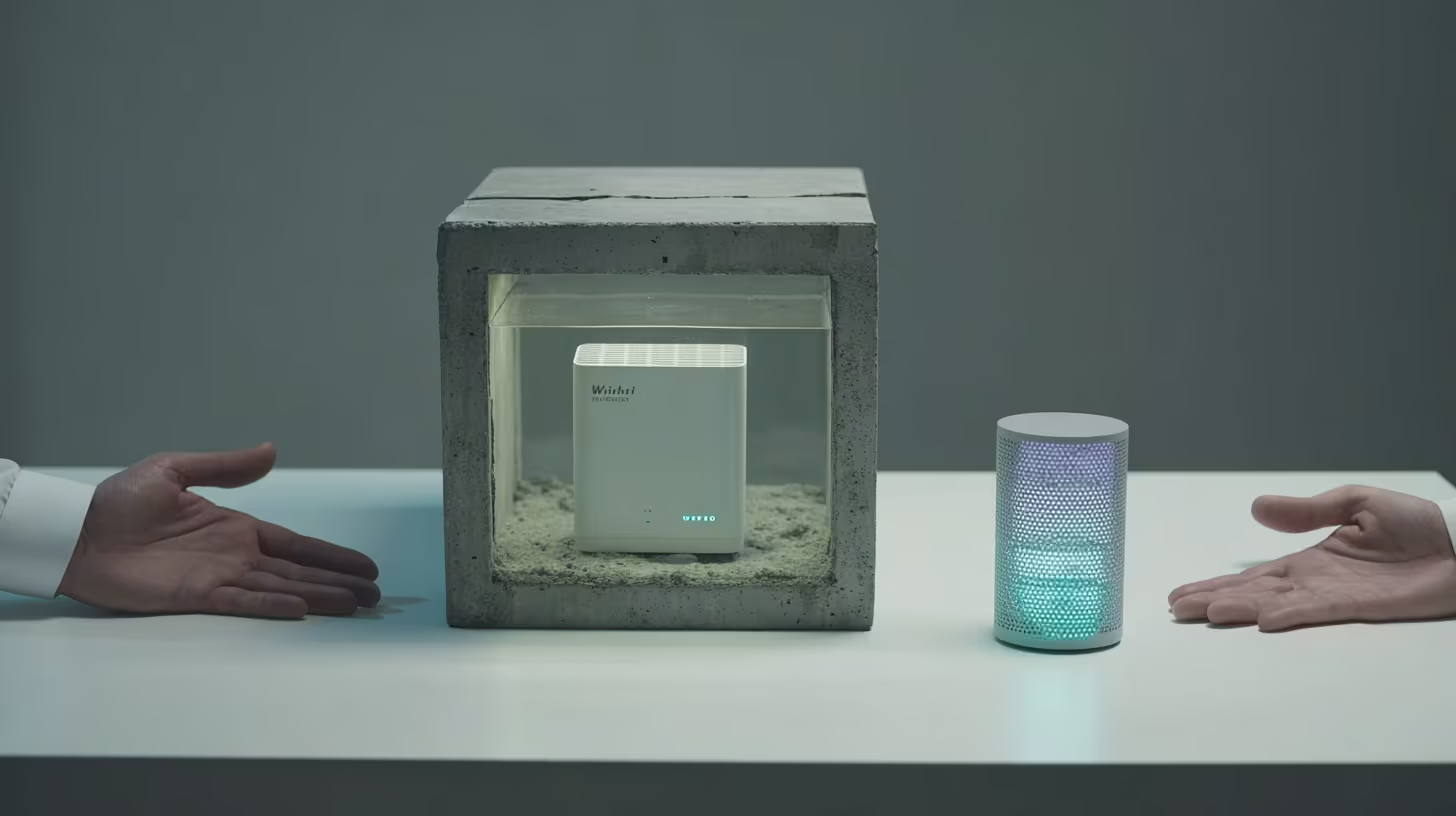
WiFi vs. BLE Mesh: Bluetooth Panic Button Performance Data
Key Takeaways WiFi infrastructure in healthcare runs at roughly 95 to 99 percent availability [1]. That sounds acceptable until you calculate what it means: somewhere between 36 and 87 hours per year when a WiFi-dependent safety system can’t process alerts. For behavioral health facilities where violence rates are the highest in healthcare [2], those hours…
-

Beyond WiFi: Why CTOs Need Bluetooth Panic Button Proof
Key Takeaways The dead zones in your facility are not a surprise. You mapped them during the last network assessment. The B-wing stairwell. The parking structure. The outdoor courtyard between buildings. You also know those spots overlap almost perfectly with the highest-risk areas on your incident reports. The bluetooth panic button confidence you need before…
-

Bluetooth Panic Button Guide: WiFi-Free Safety Systems
Key Takeaways The locations flagged as highest-risk on incident reports overlap almost perfectly with the locations flagged as dead zones on RF heat maps. Stairwells. Courtyards. Parking lots. Transition corridors between locked units. In behavioral health facilities, the construction that keeps patients safe is the same construction that blocks wireless signals. That overlap is the…
-
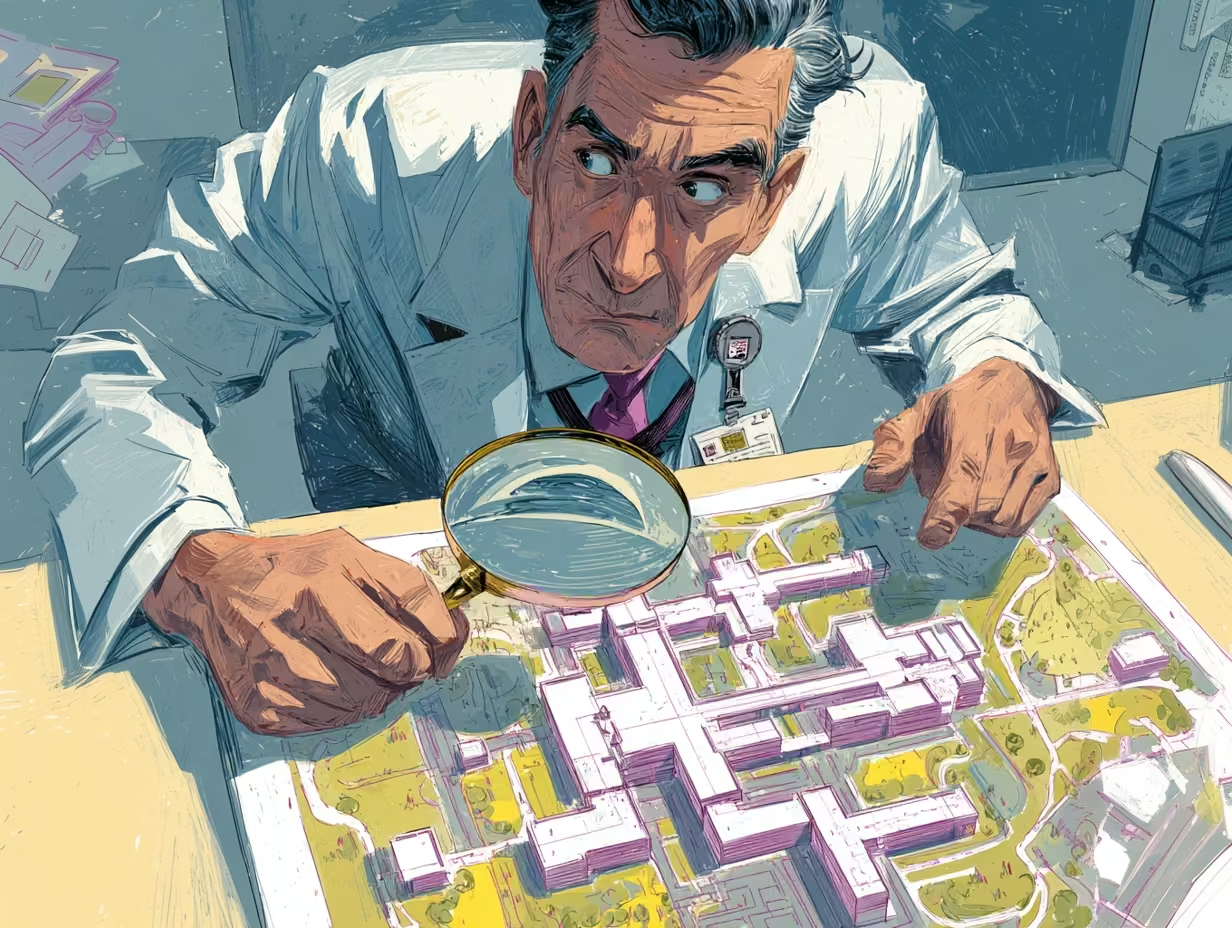
Peer CNO Safety Insights: Survey-Ready Evidence Systems
Key Takeaways Nearly half of nurses say workplace violence incidents are simply ignored after being reported. [1] Surveyors know this pattern. When they pull a random incident from your logs and ask to see the investigation trail, the answer reveals whether your program is actively managed or just actively documented. Peer CNO safety insights from…
-

Nursing Safety Brief: Survey Evidence Checklist for Units
Key Takeaways Surveyors don’t evaluate your violence prevention program from a conference room. They walk your units, interview your charge nurses, and pull random incidents to trace the follow-up trail. This nursing safety brief covers what your units need to produce when that happens, organized by the evidence categories surveyors actually assess. Manual vs. Automated…
-

Nursing Safety Confidence: Survey Evidence Your Team Needs
Key Takeaways You know your nurses are capable. You’ve watched them de-escalate situations that could have turned violent. You’ve seen charge nurses manage crises with composure. But nursing safety confidence during a survey doesn’t come from what you’ve witnessed. It comes from what your team can show a surveyor who walks onto the unit unannounced…
-

15 Accreditation Survey Questions About Staff Duress Deployment
Healthcare accreditation surveys test whether your violence prevention program works — not just whether it exists on paper. These FAQs cover what Joint Commission surveyors evaluate, where facilities get cited, how different leaders prepare, and why staff duress deployment changes the evidence equation during accreditation visits. What do Joint Commission surveyors actually evaluate in a…
-
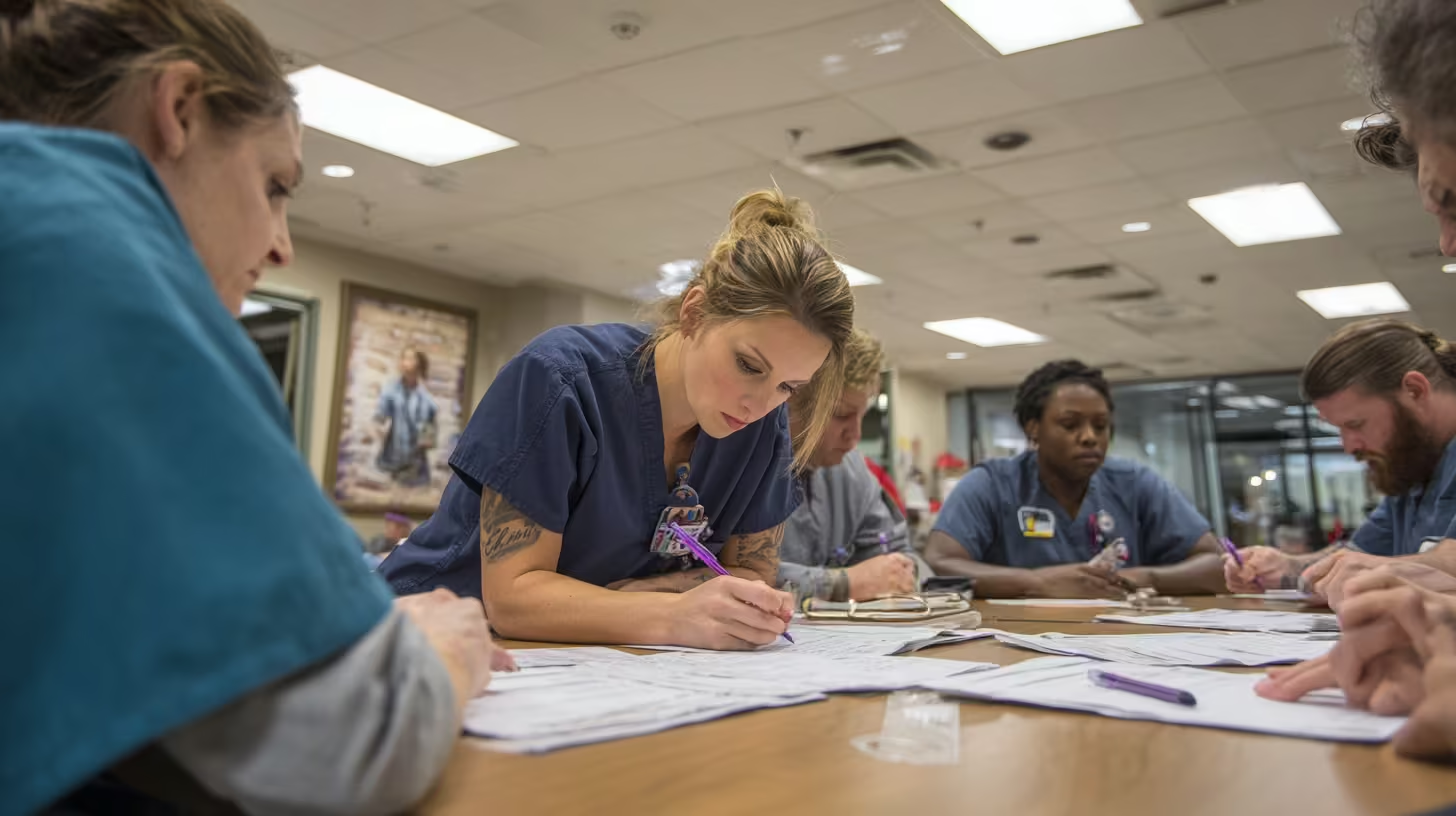
Staff Duress Deployment Data: Survey Evidence Guide
Key Takeaways About 56% of behavioral health surveys with violence prevention findings cite inadequate training records. Another 55% cite leadership oversight gaps [1]. These aren’t edge cases. They’re the two most common reasons behavioral health facilities run into trouble during accreditation visits. This staff duress deployment data brief compiles the outcome evidence that demonstrates program…
