
-

Safety Investment Confidence: Why It Comes After You Commit
Key Takeaways You’ve read the outcome reports. You’ve heard peer references. You’ve reviewed the projections. And you still haven’t committed. The evidence supporting your safety investment confidence is solid. The real barrier is a question you haven’t asked out loud: what happens to your reputation, your board standing, and your career if the outcomes disappoint?…
-

Workforce Safety Confidence: The Retention Gap Pay Can’t Close
Key Takeaways You already know what the next exit interview will say. Safety concerns. Again. Three quarters running, maybe longer. Each time, you approve another wage adjustment, expand the wellness program, adjust the shift differential. The numbers barely move. Then another nurse leaves, and the summary reads the same way. The frustration is that you…
-
Safety ROI Confidence: 90-Day Proof for CFOs
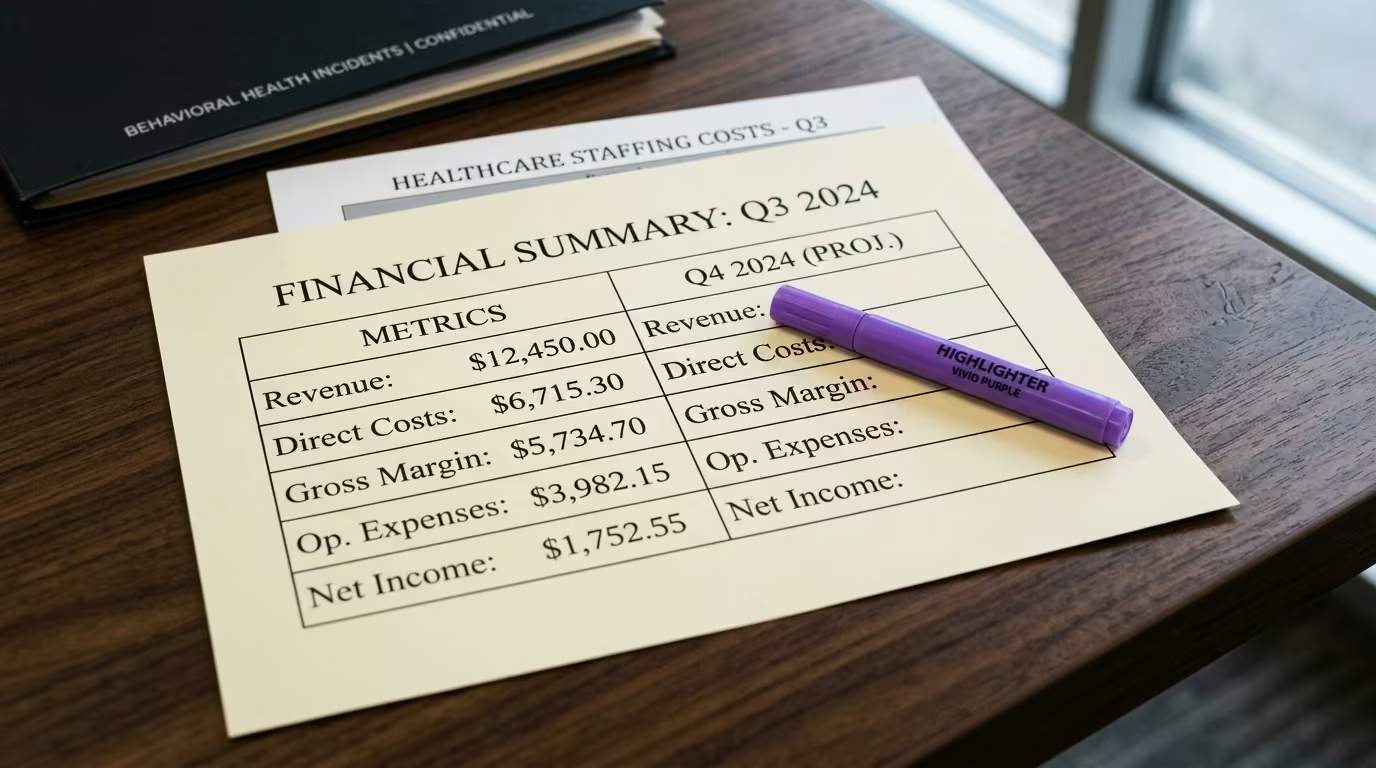
Key Takeaways You’re staring at next Thursday’s board deck. The safety line item is there. The results column is empty. Your CNO says staff are using the system, but the turnover data won’t shift for months. The insurance renewal is eleven months away. And the finance committee chair always asks about new spend before you’re…
-

Safety Investment Confidence: 3 Conditions for Success
Key Takeaways You know the violence numbers. You’ve seen the turnover reports. You’ve heard your CNO ask for a nurse duress system three times this year. Each time, you asked for more data. But here’s what you haven’t said out loud in any board meeting: what if you spend the money, champion the initiative, and…
-

Nursing Safety Confidence: What CNOs Miss on Units
Key Takeaways The guilt you feel every morning when you open that incident report has a clinical name. It lives in the gap between what you owe your nurses and what your current tools let you deliver. Another incident on the acute unit. Another nurse who waited too long for help. You’ve invested in training,…
-
Nursing Safety Confidence: The Leading Indicator
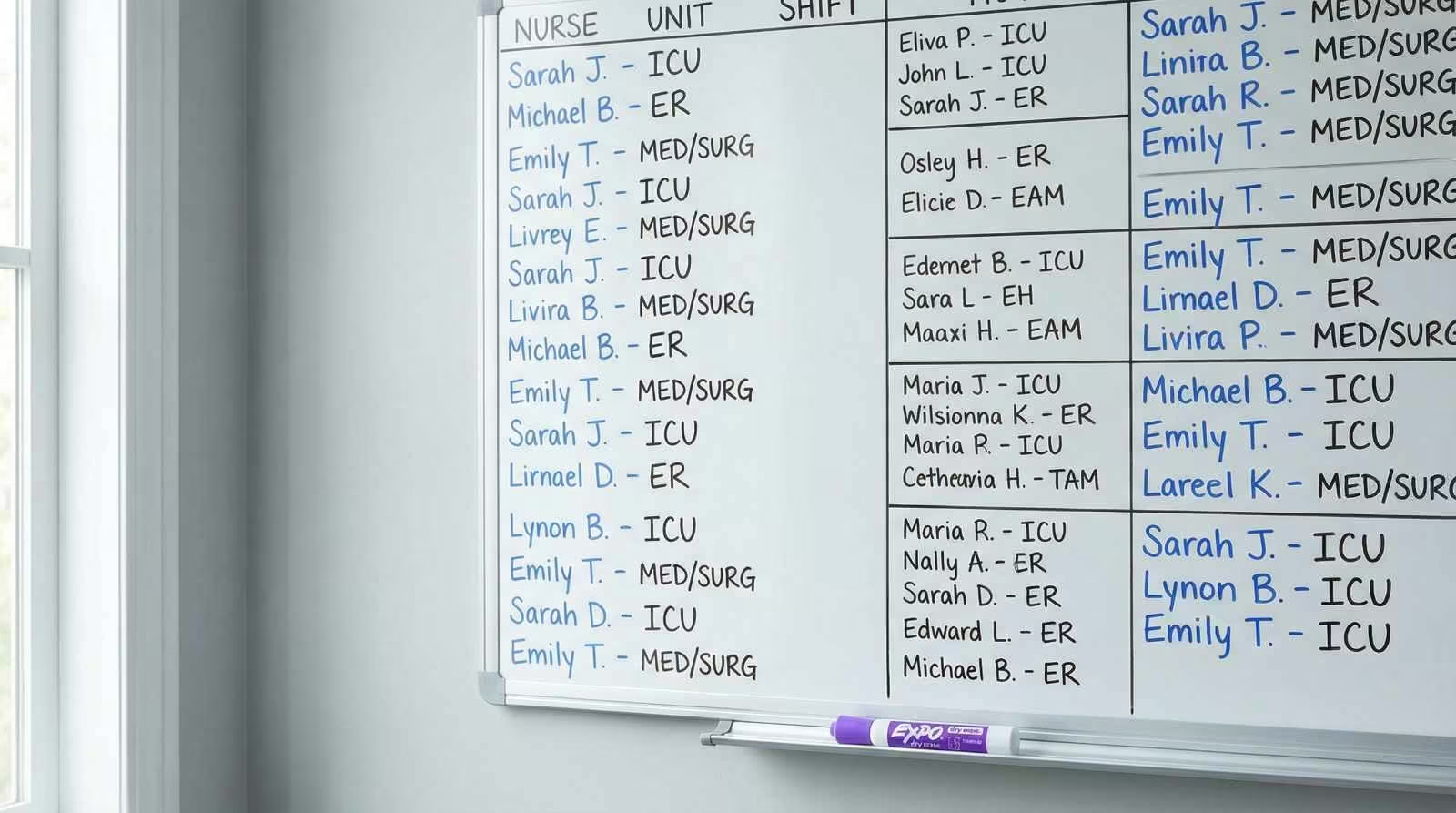
Key Takeaways Two experienced nurses gave notice last week. Both exit interviews cited safety concerns. When you pulled the incident data, the numbers looked stable. That’s the gap that keeps CNOs reacting instead of anticipating. Your incident reports, your engagement composites, your turnover dashboards: they all describe what already happened. None of them can tell…
-

Workforce Safety Confidence: The Retention Gap
Key Takeaways The board member’s question lands in the middle of your quarterly workforce presentation: “If incident reports are stable, why do exit interviews keep citing safety?” That’s the question that exposes the gap. Your turnover data, your exit interview themes, your engagement composites: they’re all real. They’re also all retrospective. By the time any…
-

When WiFi Fails: Bluetooth Panic Button Confidence
Key Takeaways The locations that show up most often on incident reports are the same locations where WiFi-dependent safety systems lose signal. Parking lots. Stairwells. Outdoor transition areas between buildings. Security directors know this because they have walked those zones, flagged them, and watched the same locations appear in reports quarter after quarter. That overlap…
-

Beyond WiFi: Why CTOs Need Bluetooth Panic Button Proof
Key Takeaways The dead zones in your facility are not a surprise. You mapped them during the last network assessment. The B-wing stairwell. The parking structure. The outdoor courtyard between buildings. You also know those spots overlap almost perfectly with the highest-risk areas on your incident reports. The bluetooth panic button confidence you need before…
-

Nursing Safety Confidence: Survey Evidence Your Team Needs
Key Takeaways You know your nurses are capable. You’ve watched them de-escalate situations that could have turned violent. You’ve seen charge nurses manage crises with composure. But nursing safety confidence during a survey doesn’t come from what you’ve witnessed. It comes from what your team can show a surveyor who walks onto the unit unannounced…
