
-

Wireless Duress Alarm Systems: What to Know Before You Buy
Key Takeaways “Wireless” is the most misleading word in duress alarm marketing. Every vendor uses it. Most buyers hear it and assume it means independence from their facility’s infrastructure. But three fundamentally different architectures all call themselves wireless. Two of them trade wired connections for network dependencies that fail in the same stairwells and parking…
-

Duress Alarm Systems for Hospitals: Architectures Compared
Key Takeaways Four duress alarm architectures show up in every hospital evaluation. They share a demo-room pitch: press a button, get help fast. They don’t share the same network path, the same failure mode, or the same coverage profile when the building loses Wi-Fi at 2 a.m. Most of what you’ll evaluate depends on infrastructure…
-

Staff Assist Buttons for Hospitals: What They Do and What They Miss
Key Takeaways A staff assist button is the simplest duress device you can deploy. Mount it under a desk, connect it to an alert system, and responders know exactly where the call came from. That simplicity is what makes it the right choice for fixed workstations. It’s also what limits it. The coverage ends where…
-

Duress Badges for Healthcare Staff: Activation Methods and What to Test
Key Takeaways You’ve decided on a wearable duress badge for your staff. That’s the right call for mobile clinical teams who move across rooms, floors, and buildings throughout a shift. The harder question is which badge, and most buyers get the filter wrong. They start with form factor and price. Start with the activation mechanism…
-
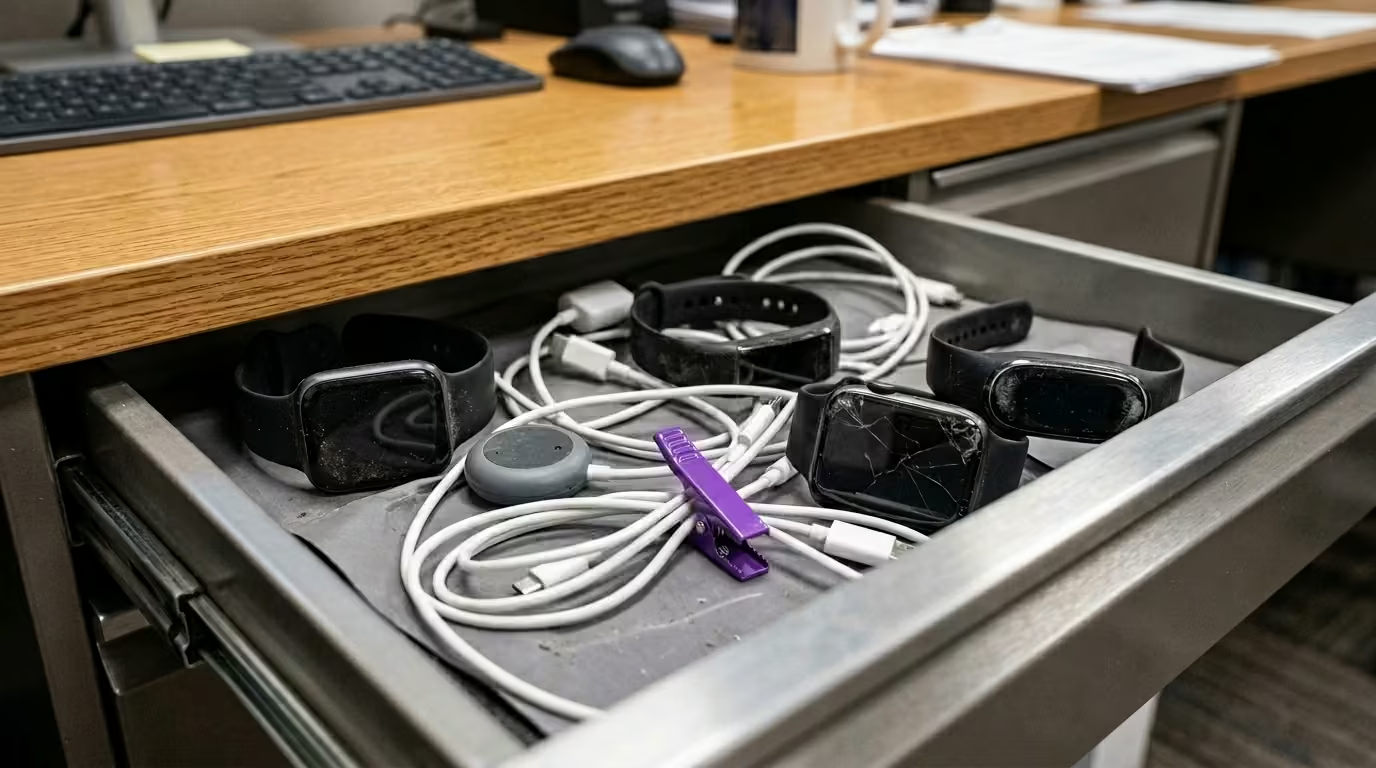
Silent Panic Buttons for Offices and Businesses: What to Know Before You Buy
Key Takeaways If you’re shopping for a silent panic button for office or business use, you’ve probably already decided that an audible alarm isn’t the right fit. That instinct is correct. But “silent” means different things to different vendors. The gap between a purpose-built silent system and a consumer device with the sound turned off…
-

Wearable Panic Buttons for Employees: A Business Owner’s Guide
Key Takeaways If your staff move through a building rather than sit at a single desk, a fixed panic button can’t follow them. That’s the gap a wearable panic button for employees is designed to close. The category is crowded with consumer GPS trackers and app-based tools that weren’t built for commercial facilities. This guide…
-
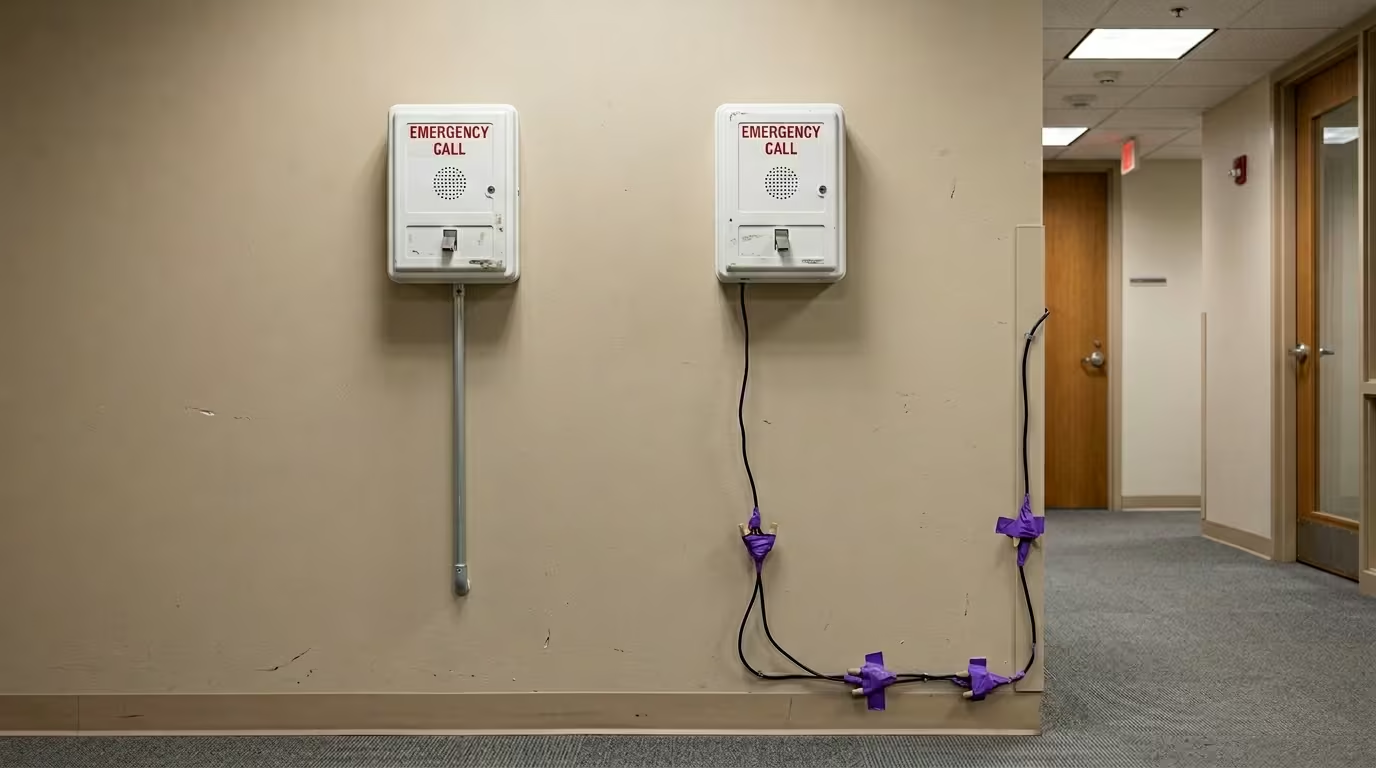
911 Panic Buttons for Offices: What to Know Before You Buy
Key Takeaways If you’ve started searching for a 911 panic button for office use, you’ve probably noticed every product sounds the same. They all claim to connect you with emergency dispatch. But the way that connection actually works varies so much between products that some barely qualify as 911 integration at all. How 911 Panic…
-
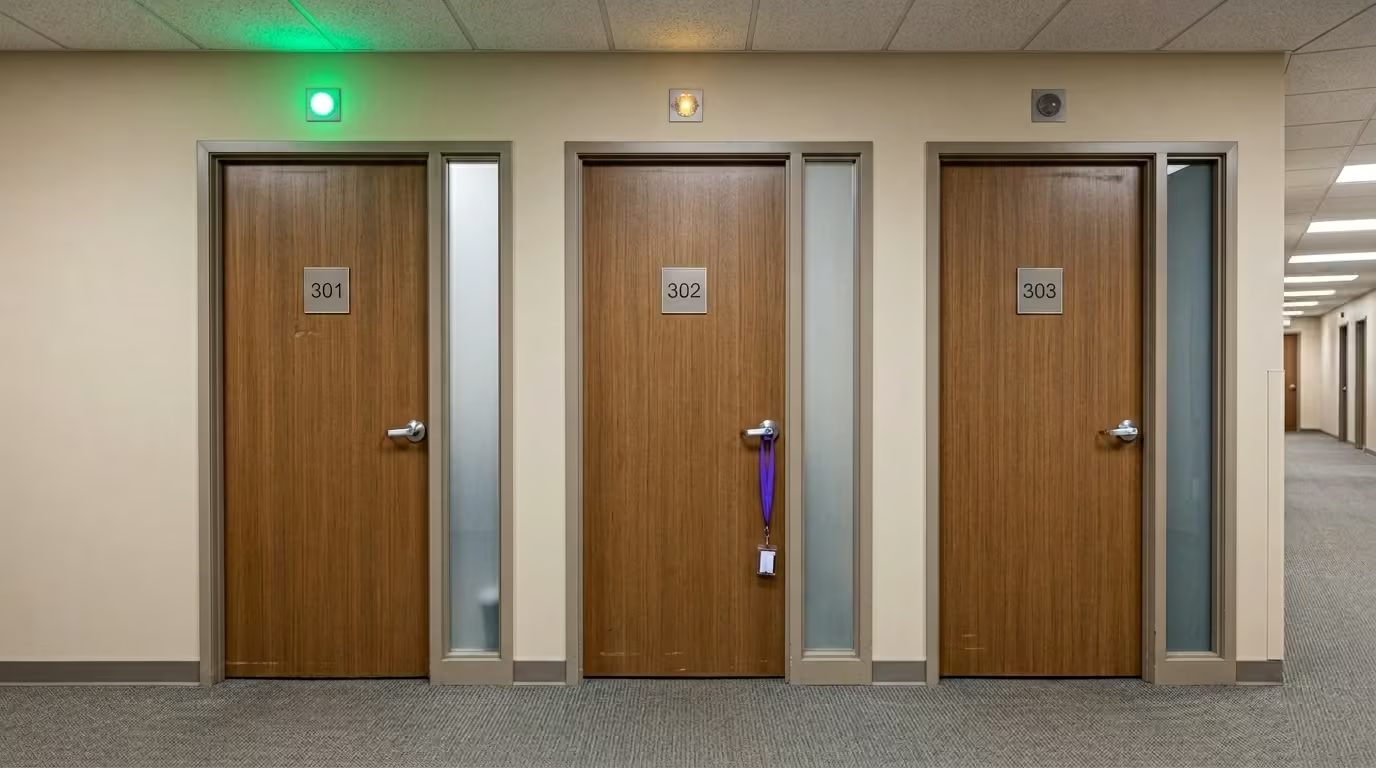
Wireless Panic Button Systems for Offices: How They Work and What to Buy
Key Takeaways You searched for a wireless panic button system for your office because you want protection without construction crews, cable runs, or landlord negotiations. That makes sense. But “wireless” describes at least three fundamentally different architectures. The gap between them stays hidden until someone presses the button during a real incident. Before you buy,…
-

Under-Desk and Front-Desk Panic Buttons for Reception and Office
Key Takeaways The under-desk panic button looks like the simplest category in workplace safety. A button under the desk. Someone presses it. Help arrives. But the gap between what most products deliver and what a real crisis demands is wider than any product listing suggests. Most of what’s sold under this label is consumer-grade hardware…
