
-

10 Safety Tips for Social Workers
Importance of Personal Safety Training for Social Workers Social work is one of the fastest-growing careers in the U.S. According to the U.S. Bureau of Labor Statistics (BLS) in Washington, D.C., there were over 715,000 social workers in the country in 2020, with there currently being over 200,000 clinically trained social workers (i.e., those with…
-

Your Guide to Lowering Workers Comp Costs in Hospitality & Healthcare
Injuries and accidents in the workplace can damage a business in a number of ways. Most importantly, they can impact the health and wellbeing of employees. According to the Bureau of Labor Statistics, there were 4,764 fatal workplace accidents and 2.7 million nonfatal accidents in the US in 2020. Many of these workplace accidents will have left…
-

Lone Worker Safety Policy — Everything You Need to Know
People are required to work alone in roles across all industries. Whether it’s housekeepers cleaning remote areas of hotels, nurses caring for patients in private rooms or retail workers operating remote locations single-handedly, millions of people spend at least a portion of their day without any co-workers nearby. Lone working can put employees at increased…
-
5 Common Security Issues in the Hospitality Industry
TLDR The Harvard Businesss Review suggests that up to 90% of restaurant workers have suffered some form of sexual harassment. However, by managing unauthorized visitors and antisocial guests, addressing safety concerns, theft and data privacy, you can effectively combat security concerns in hospitality. Many members of the ROAR team have worked within the hospitality sector…
-
The Cost of Nurse Turnover
TLDRNurse turnover costs U.S. hospitals between $3.9 and $5.8 million per year, with the average cost to replace a single bedside RN reaching $56,300 in 2023. The drivers are well-documented: burnout, staffing shortages, workplace violence, unsociable hours, and stress. The financial impact compounds as experienced nurses leave and recruitment cycles stretch to 86 days or…
-

How to Deal with Aggressive Customers & Patients
Doctors, nurses, and other healthcare professionals are often dealing with people when they’re at their most vulnerable. As a result, emotions can run high and tempers can flare. This means that however good your customer service skills, and however professional your staff members are, you’re likely to have to deal with angry and upset customers…
-
10 Hospital Safety & Security Procedures
TLDRHealthcare workers face workplace violence at rates far exceeding any other industry, with the sector accounting for nearly three-quarters of all private-industry workplace violence cases. Implementing comprehensive hospital safety and security procedures — from wearable panic buttons and access control to video surveillance and thorough identification checks — can significantly reduce incidents, protect both staff…
-

Hotel Laws and Regulations for Safety
Due to the nature of the work, employees in the hospitality industry are particularly vulnerable to assaults and threatening or inappropriate behavior. In part, this is down to the fact that a lot of housekeepers work alone in guest rooms and food preparation areas, making it difficult for both managers and colleagues to always ensure…
-
ROAR for Ukrainian Relief
Irish statesman Edmund Burke (1729-1797) once famously said, “Nobody made a greater mistake than he who did nothing because he could only do a little.” He also said, “the only thing necessary for the triumph of evil is for good men to do nothing.” Mr. Burke’s creed is a lesson that is applicable today. “We…
-
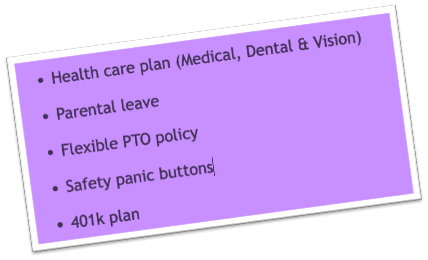
This Will Drive More Applicants to Your Job Postings
Panic Buttons Are Key Benefits for Employees If you’re a service-based business and you are not listing “Panic Buttons” as a benefit you offer, you are missing an opportunity. Other than salary, what do employees value the most from an employer? Healthcare insurance (e.g., medical, dental)? Nope, 40%. Vacation/Paid time off? Sorry, 37%. Performance bonus?…
