
-

Proven Strategies to Boost Employee Engagement in Healthcare
“We’ve got a vast majority of workers in every single office that are either not engaged or actively disengaged.” That’s what Richard Wahlquist, CEO of the American Staffing Association, recently told Business Insider. The fact is, I think he’s right. Employee engagement is one of the biggest issues facing businesses today, particularly within the healthcare…
-
Healthcare Workplace Violence Prevention Laws by State
TLDRWhile federal guidelines like those from OSHA provide a foundation for WVP, a growing number of states — including California, New York, Illinois, Texas, Ohio, Oregon, and Washington — have enacted comprehensive laws requiring healthcare employers to implement violence prevention plans, conduct risk assessments, and train staff. Several more states advanced significant legislation in 2025,…
-
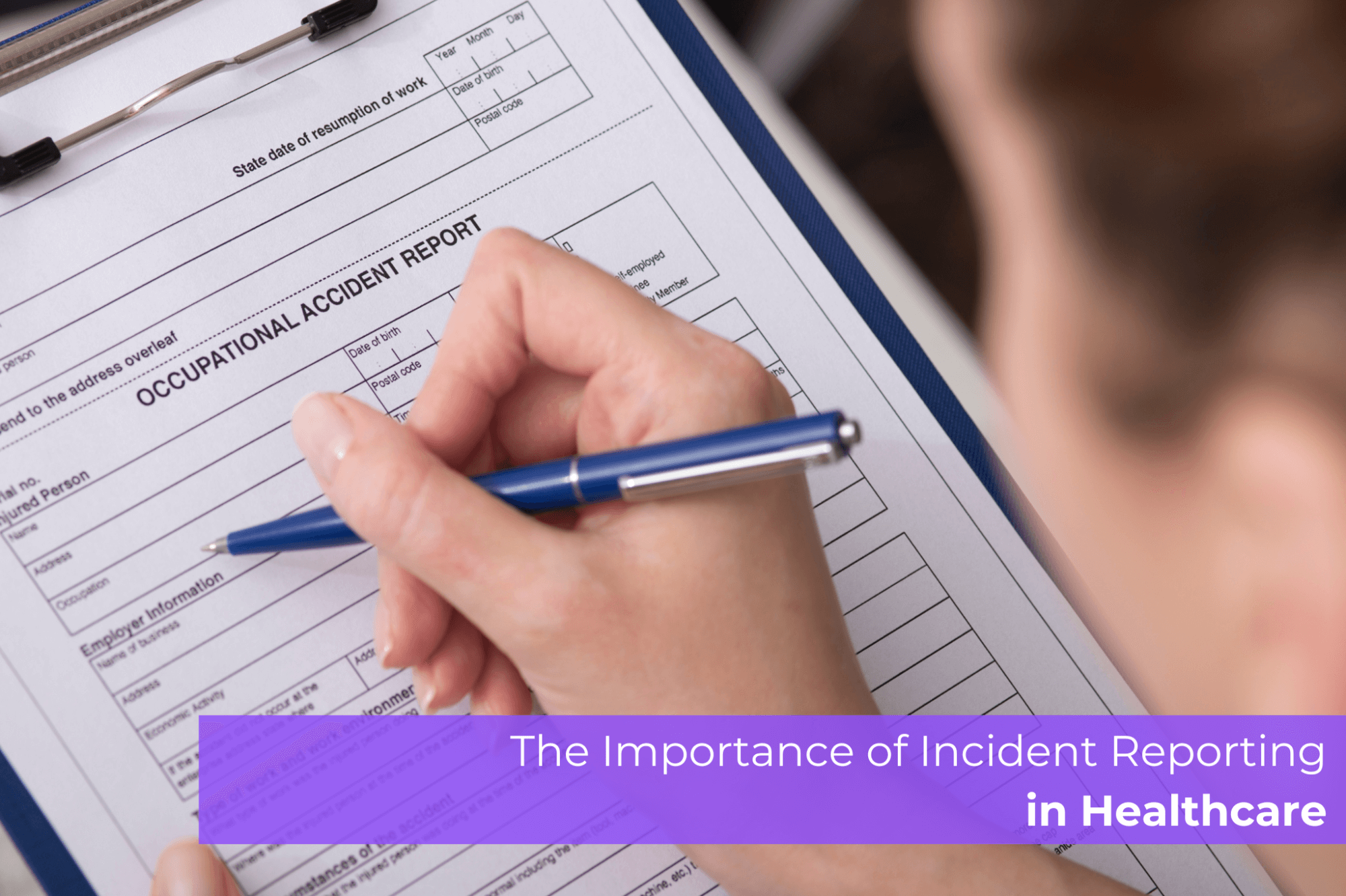
The Importance of Incident Reporting in Healthcare
Workplace violence in healthcare is at a crisis point, but comprehensive incident reporting could be the game changer we need. This article is your roadmap to robust reporting protocols, fostering a culture of transparency, and leveraging cutting-edge technologies to build safer environments for healthcare professionals and patients alike. Workplace violence in healthcare statistics paint a…
-
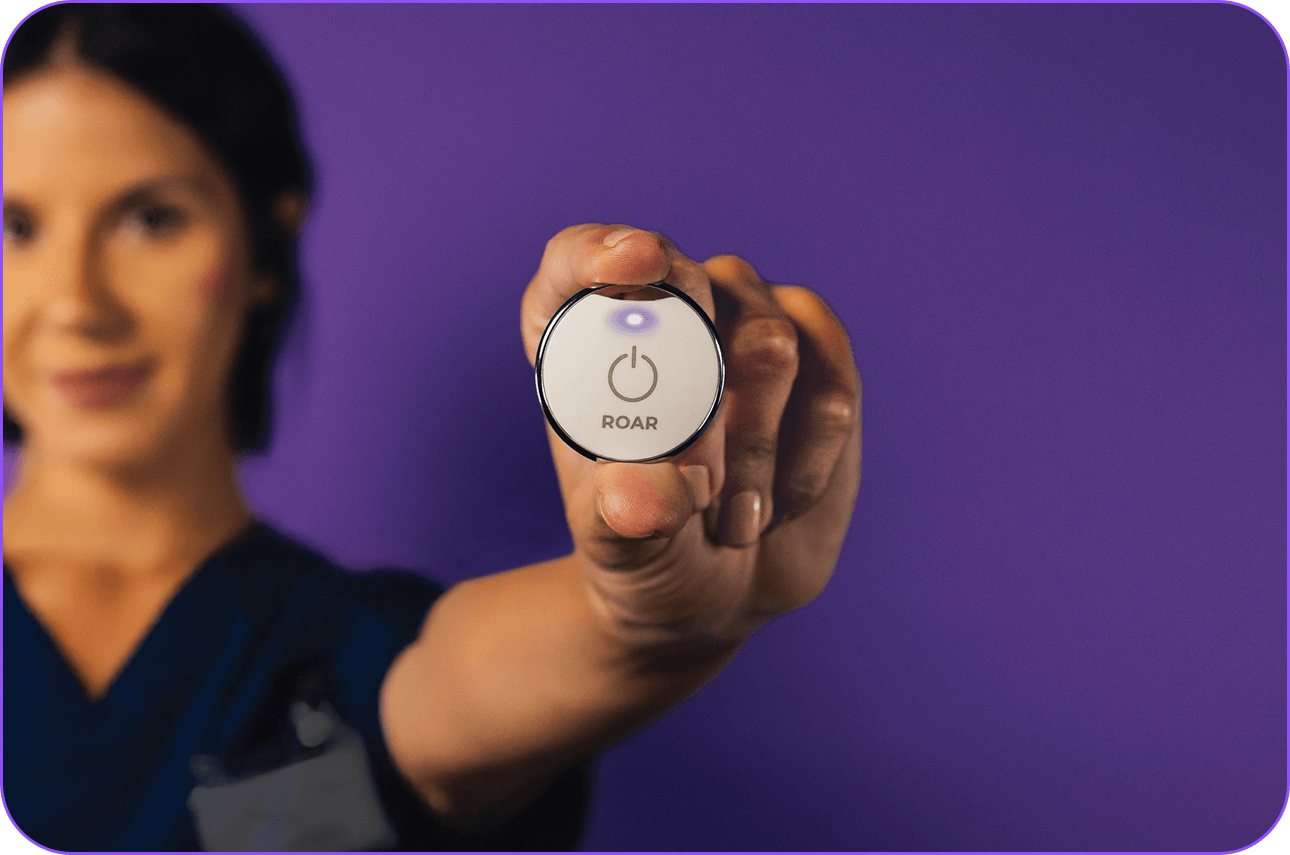
Common Use Cases for Duress Buttons and Panic Buttons
Duress buttons and panic buttons are commonly used in healthcare, hospitality, retail, education, and more, providing increased protection for workers and improving workplace safety. An instant response to an emergency can make all the difference, with staff wellbeing and peace of mind also helping you see tangible returns on your businesses investment within 12 months…
-
Protecting Your Behavioral Healthcare Workforce with Staff Duress Systems
TLDRThe Joint Commission’s Violence Prevention in Behavioral Health Care and Human Services report has once again raised the bar for staff safety in BHC environments. I believe that many of the reports requirements can be addressed through the use of staff duress systems, with better leadership, response, and analysis giving your center the tools it…
-
Old Security Tech In Your Behavioral Health Facility – It’s Time to Say Goodbye
Grainy camera images, hard-to-find duress buttons, vulnerable access cards, and outdated video recorders. If you still have these technologies in your behavioral health facility, it’s time to move on. These relics of security technology served us well, but their modern replacements are far superior and offer significant improvements to the safety and security of both…
-
5 Panic Button Alarm Policy Must Haves
Which of these key elements is missing from your panic button alarm policy? A panic alarm system – especially a body-worn solution like ROAR – is a great way to enhance the safety of your healthcare staff. But it’s not enough to just install and tell staff how to use a system. A solid,…
-
Domestic Violence in the Workplace – Prevention Tips and Employer Responsibilities
By some estimates, domestic violence in the U.S is so widespread that nearly 20 people per minute suffer physical abuse at the hands of a partner. This is just one facet of a complex and often underreported issue that also includes abuses such as sexual assault, psychological violence, and stalking. Often referred to simply as…
-
Nurse Retention Strategies: How to Keep Your Staff Happy and Reduce Turnover
Nurses are the lifeblood of the healthcare system, delivering care, compassion, and support to patients, often as frontline workers dealing with highly stressful situations. However, despite the role’s humanitarian calling, they are also under siege. Nurse burnout is a real issue. While the Covid-19 pandemic brought some of the daily challenges that nurses face into…
-
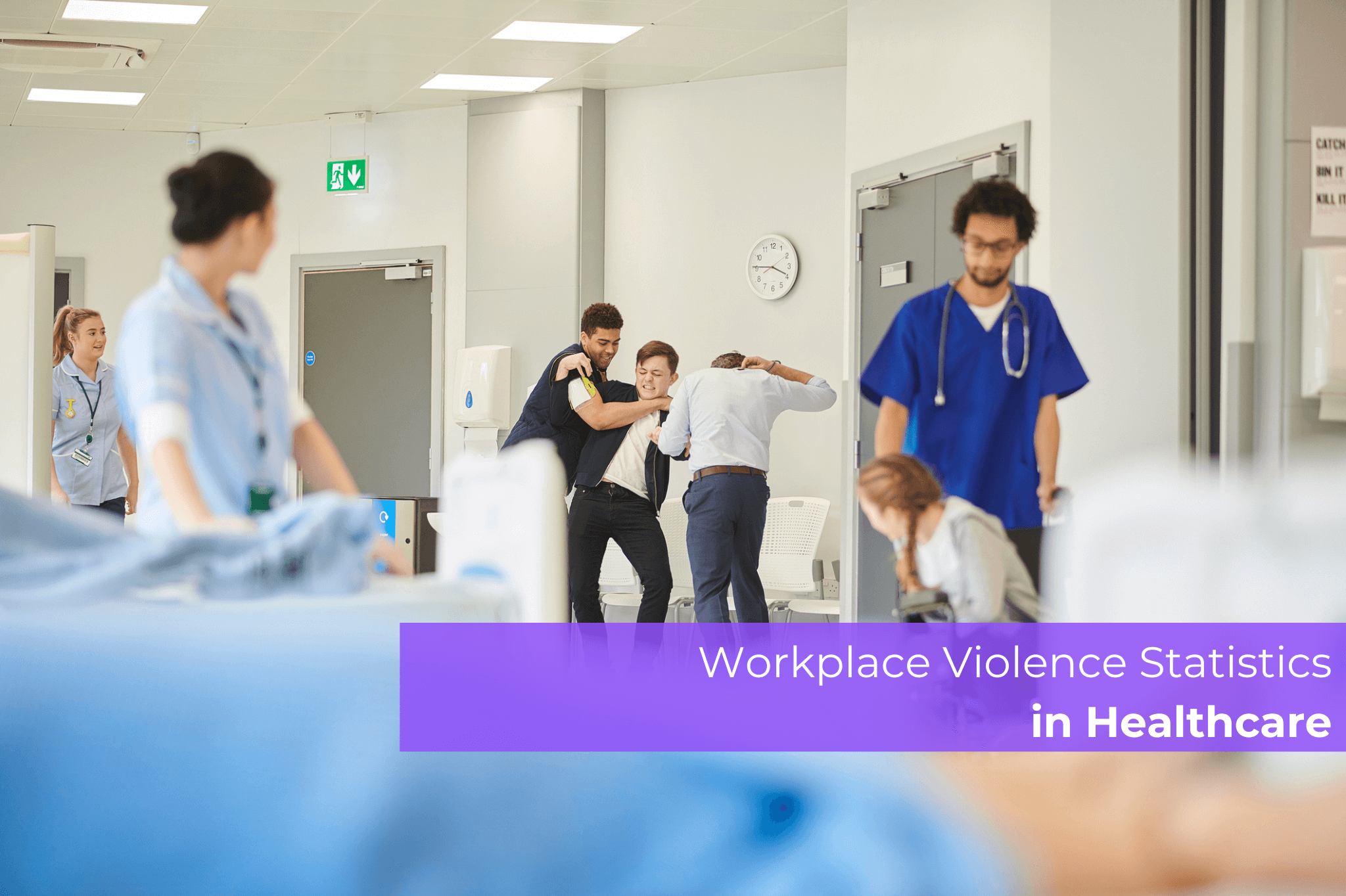
An Analysis of Workplace Violence Statistics in Healthcare
In February 2021, landmark legislation was introduced to the Senate directing the Secretary of Labor to issue occupational safety and health standards across the healthcare and social service industries. Its purpose: to address the shocking levels of violent and antisocial behaviors that leave healthcare workers five times more likely to be injured than workers in…
